
Self-care is a lifestyle that is usually connected to relaxation, but this is not a one-off deal, it is a way of life. It is an integrated strategy involving the care of the body, the emotions, social and mental health. By caring for these areas, people can adopt healthier practices and understand their own limits and need to rest or change their priorities.
Making Self-Care Practical
Making smaller habits is easier to keep up.
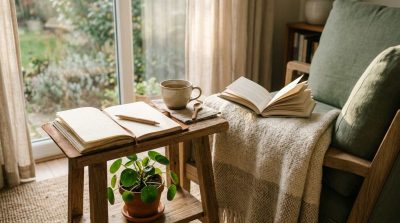 Self-care doesn’t have to be hours a day. It can make a valuable addition to the routine to get a walk, read a few minutes, make a healthy meal, or get some sleep. Habits that are going to be useful in everyday life – these are often the most helpful.
Set Healthy Boundaries
It can be hard to sleep when always interrupted. Setting appropriate limits on work, communication and rest can be a way to help individuals allow for recovery.
Understands When Help is Needed and How to Provide It
When giving assistance to the victim, professionals should be consulted. Self care practices can complement good health but they are not a substitute for professional care. If your child has any ongoing physical or emotional issues, please consult a suitable health visitor, GP, nurse or health care worker. Understanding when more help is required is a crucial component of being responsible for one’s self.
Conclusion
A balanced self-care program is developed around realistic habits that have to do with various areas of well-being. Rest, movement, healthy boundaries, meaningful connections and time for personal interests are all ways in which a more sustainable lifestyle can be created. Self-care is the recognition of needs and the creation of space for them.