
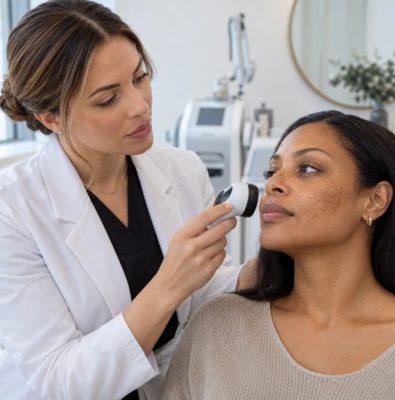
 Dark spots, patches of uneven color, and sun-related pigmentation can become more noticeable with time. When skincare products do not deliver the desired improvement, laser treatment for pigmentation concerns may seem like the logical next option. However, pigmentation is not one condition with one solution. Different types of discoloration develop for different reasons, and skin can respond differently depending on its tone, sensitivity, medical history, and previous treatments. A laser that works well for one person may not be appropriate for another. Before proceeding, it is important to understand what is causing the discoloration, what the procedure can realistically achieve, and what risks to consider.
Start by Identifying the Type of Pigmentation
Not every dark spot should immediately be treated with a laser. Pigmentation can result from years of sun exposure, inflammation, acne, hormonal changes, injuries, medications, and various skin conditions. Common concerns include sun spots, freckles, melasma, and post-inflammatory hyperpigmentation.
These conditions do not necessarily respond to treatment in the same way.
Melasma, for example, can be particularly difficult to manage and may return after treatment. Heat and light-based procedures may worsen pigmentation in some cases. Post-inflammatory hyperpigmentation also requires careful evaluation because additional irritation can potentially produce more discoloration. A qualified medical professional should assess the skin before treatment. If a pigmented lesion has changed in size, shape, color, or appearance, it may need medical evaluation rather than cosmetic laser treatment.
Your Skin Tone Matters
Skin tone is an important factor when selecting a laser or other light-based treatment. Lasers used for pigmentation generally target melanin, the pigment responsible for skin color and many dark spots. But melanin is also naturally present in surrounding healthy skin.
People with darker skin tones have more melanin available for the laser energy to interact with. This can increase the risk of unwanted effects such as burns, post-inflammatory hyperpigmentation, or areas of reduced pigmentation if inappropriate settings or devices are used.
This does not mean people with darker skin cannot have laser treatments. It means device selection, settings, practitioner experience, and diagnosis become especially important. Ask whether the provider regularly treats patients with a skin tone similar to yours and how they manage pigmentation risks.
Understand Which Device Is Being Recommended
“Laser treatment” is a broad description rather than a single procedure. Different lasers use different wavelengths, pulse durations, and energy-delivery methods. Some devices specifically target pigment, while others are primarily used for resurfacing or different skin concerns. Intense pulsed light, or IPL, is also frequently discussed alongside lasers, although technically it is a light-based treatment rather than a laser.
The appropriate technology depends on factors such as the type and depth of pigmentation, skin tone, treatment area, and desired outcome. During a consultation, ask what device will be used and why it is being recommended for your particular concern. A provider should be able to explain the reasoning without promising that one device can treat every form of pigmentation.
Be Realistic About the Results
Laser treatment may reduce the appearance of certain pigmented areas, but complete removal is not guaranteed. Some spots respond after a limited number of treatments, while other concerns require several sessions. Pigmentation can also return, particularly when its underlying trigger remains present.
Sun exposure is an obvious example. Treating sun-related pigmentation without improving sun protection can allow new discoloration to develop over time.
Hormonal influences and inflammation can also make some forms of pigmentation persistent or recurrent. Before treatment, discuss what degree of improvement is realistic, how many sessions might be considered, and whether maintenance or additional skincare will likely be needed.
Consider the Risk of Pigmentation Changes
Ironically, a procedure intended to reduce pigmentation can sometimes create additional discoloration.
Post-inflammatory hyperpigmentation can develop after the skin experiences inflammation or injury. Laser treatments deliberately deliver energy to the skin, so temporary redness and inflammation may be expected with certain procedures.
Some people have a higher risk of developing pigmentation after inflammation than others. Hypopigmentation, in which an area becomes lighter than the surrounding skin, is another possible complication with some laser treatments. Other risks can include burns, blistering, swelling, infection, scarring, and prolonged redness, depending on the procedure. Discussing these possibilities before treatment allows you to weigh potential benefits against the risks.
Think About Sun Exposure Before Booking
Sun protection is particularly important when treating pigmentation. Recent tanning or significant sun exposure may affect whether treatment can be performed safely. Providers may recommend avoiding tanning and minimizing direct sun exposure before and after certain procedures.
This is also worth considering when scheduling treatment. If you have an upcoming beach holiday or spend much of your day working outdoors, it may not be the most convenient time for a procedure that requires strict sun protection. After treatment, the skin may be more vulnerable to environmental exposure. Following instructions about sunscreen, protective clothing, and direct sunlight can reduce avoidable complications.
Ask About Preparation and Recovery
Downtime varies considerably between treatments. Some procedures may cause temporary redness, swelling, or darkening of treated spots before they fade or flake away. More intensive resurfacing procedures can involve longer recovery periods.
Ask what your skin is likely to look and feel like during the first few hours and days after treatment. This can help you plan around work, exercise, social events, and travel. You may also need to adjust certain skincare products before or after the procedure. Retinoids, exfoliating acids, and other active ingredients may need to be paused depending on the treatment and your provider’s instructions. Do not stop prescription medication unless the clinician responsible for your care advises you to do so.
Choose the Provider as Carefully as the Treatment
The device matters, but the person operating it matters too. Laser procedures require an understanding of skin biology, pigmentation, treatment settings, and potential complications. Before proceeding, check the practitioner’s qualifications, training, and experience with the specific technology being recommended.
A responsible consultation should include your medical history, medications, previous procedures, tendency to scar or develop pigmentation, and treatment goals. Be cautious about guarantees, dramatic before-and-after claims, or pressure to purchase a treatment package immediately.
Make the Decision Based on Your Skin, Not the Trend
Laser technology can help with certain pigmentation concerns, but suitability should be determined individually. The cause of the pigmentation, your skin tone, the technology used, your medical history, and your ability to follow aftercare instructions all influence the decision.
And laser treatment may not always be the first or best option. In some cases, topical treatments, improved sun protection, other procedures, or a combination of approaches may be more appropriate. A careful assessment gives you the chance to understand both the possibilities and limitations before committing. When pigmentation is properly diagnosed and treatment is selected for your particular skin, you can make the decision based on evidence and realistic expectations rather than simply choosing the latest procedure.